
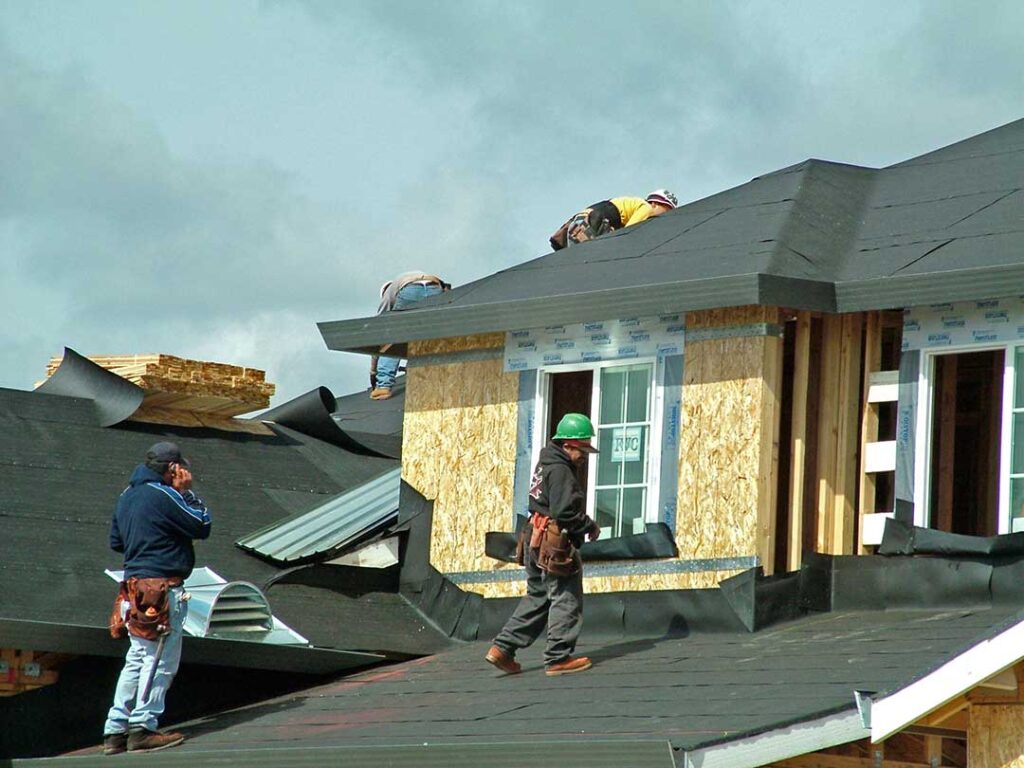
Can old roofing materials be recycled?
Yes, some roofing materials can be recycled or reused, but they generally do not belong in household recycling bins. Asphalt shingles, metal roofing, slate, clay tile, wood shingles, underlayment, flashing, and insulation each require different handling.
For residents in Holley, NY, the most practical approach is to separate roofing debris at the source, keep it free from household trash and hazardous materials, and confirm that a permitted construction-and-demolition debris facility accepts the specific material before transporting it.
Recycling may involve processing old shingles into asphalt pavement or other construction products. Reuse may be possible for intact slate, tile, metal panels, flashing, lumber, or accessories that remain in usable condition.
Which roofing materials are commonly recyclable?
Asphalt shingles are among the most frequently recycled roofing materials. Facilities may grind clean shingles into a processed material used in asphalt pavement or other applications. Roofing felt and paper may be accepted with asphalt shingles at facilities equipped to handle both materials.
Metal roofing is also highly recyclable. Steel, aluminum, copper, and other metals can usually enter established scrap-metal recycling streams if they are separated from wood, insulation, plastic, and large amounts of roofing adhesive.
Other materials may be accepted depending on condition and local facility rules:
- Slate and clay or concrete tile may be reused if they are intact and free of excessive mortar or adhesive.
- Wood shingles and shakes may be accepted as clean wood only if they are untreated, unpainted, and free of contamination.
- Aluminum flashing, copper flashing, gutters, and metal vents may be recyclable as scrap metal.
- Rigid insulation may have limited recycling options and often requires a specialized construction-material facility.
- Synthetic membranes and rubber roofing may be accepted only by facilities equipped for those products.
A material being technically recyclable does not mean every recycling center accepts it. Roofing debris is usually handled through construction-and-demolition recycling systems rather than curbside programs.
What should be removed before recycling shingles?
Roofing shingles should be separated from unrelated debris as much as possible. Clean, source-separated material is easier for a facility to process and is more likely to qualify for recycling.
Remove or separate:
- Household garbage and food waste
- Large amounts of wood or decking
- Plastic packaging and tarps
- Loose insulation
- Electrical components
- Paint cans, solvents, and other chemicals
- Tires, appliances, and furniture
- Soil, mud, and excessive vegetation
- Large pieces of metal that can be recycled separately
Small amounts of roofing nails are commonly handled with asphalt shingles at construction-and-demolition facilities, but rules vary. Some facilities may ask that large metal pieces be removed while allowing incidental fasteners to remain.
Do not mix roofing debris with curbside recyclables. Shingles, roofing felt, and flashing can damage sorting equipment and contaminate paper, cardboard, plastic, and glass.
How can homeowners prepare roofing debris for transport?
Preparation reduces mess, injury risk, and the chance of rejection at a receiving facility. Place loose shingles and felt in sturdy containers or securely tied bundles. Avoid overfilling bags, since shingles are heavy and sharp.
Keep the load covered during transport. Holley experiences winter snow, spring rain, summer heat, and strong seasonal wind, so uncovered roofing debris can spread along roads or absorb water before it reaches a facility.
Before loading a vehicle:
- Sweep up loose nails with a magnetic tool where practical.
- Keep sharp metal edges contained or wrapped.
- Separate metal from shingles when possible.
- Keep materials dry and free of household waste.
- Estimate the amount by bags, bundles, weight, or vehicle load size.
- Ask whether the facility accepts homeowner loads or only commercial deliveries.
- Confirm operating hours, unloading procedures, fees, and load restrictions.
A facility may reject material that contains asbestos, excessive garbage, hazardous substances, or too many mixed roofing products.
Can old roofing materials be reused instead of recycled?
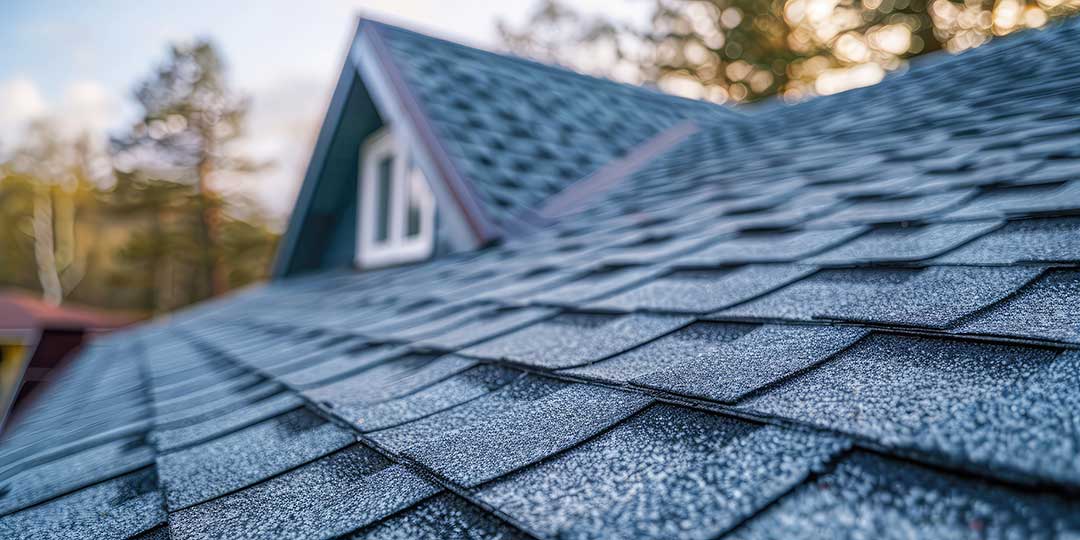
Reuse is often preferable when the material remains sound and safe. Intact slate, clay tile, concrete tile, metal panels, copper flashing, roof vents, and some lumber may be useful for repairs or small outbuildings.
Reuse requires careful inspection. Materials should not be saved if they are cracked, badly rusted, brittle, water-damaged, contaminated, or difficult to handle safely. Roofing components installed decades ago may also have unknown coatings, sealants, or fire-related treatments.
Old wood roofing materials deserve particular caution. Painted, stained, pressure-treated, or chemically contaminated wood should not be burned or placed in a clean-wood recycling stream. It may require disposal through a facility that is authorized to manage treated or coated wood.
What about asbestos-containing roofing?
Asbestos is the most important material-related safety concern during roof removal. Some older roofing products, cement sheets, coatings, felts, and flashing materials may contain asbestos. The material cannot be identified reliably by appearance alone.
Do not break, grind, cut, sand, or sweep suspected asbestos-containing roofing. Friable asbestos-containing waste is not accepted at ordinary construction-and-demolition recycling facilities, and nonfriable asbestos may have separate handling requirements.
If a roof or roofing product is suspected of containing asbestos, testing and regulated handling may be necessary before removal or disposal. This is one situation where specialized assistance is appropriate because improper handling can create a health hazard and may violate New York waste-management requirements.
Are roofing adhesives, coatings, and sealants recyclable?
Usually not through ordinary roofing recycling. Liquid roofing cement, solvent-based coatings, uncured sealants, and containers with substantial residue may require household hazardous-waste or special-waste handling.
Never pour roofing cement, tar, coating, or solvent into a drain, onto soil, or into a storm drain. Keep these products in their original labeled containers when possible, and follow local instructions for household hazardous products.
Empty containers may still have disposal restrictions if they contain significant residue. A container that appears empty is not automatically acceptable in a curbside recycling bin.
What should residents ask before delivering roofing debris?
Recycling rules can differ by facility, even within the same region. Before making a trip, verify:
- Whether the facility accepts asphalt shingles from households
- Whether roofing felt can be mixed with shingles
- Whether metal roofing must be delivered separately
- Whether slate, tile, wood, or insulation is accepted
- Whether loads must be covered
- Whether asbestos-containing materials are prohibited
- Whether the facility charges by weight, volume, or vehicle load
- Whether proof of residency or advance arrangements are required
New York construction-and-demolition facilities may accept uncontaminated asphalt shingles and roofing paper, but acceptance does not apply to every roofing product or every location. Facility requirements can also change with available processing capacity.
For a small repair, reuse or careful separation may be simpler than combining a few shingles with a larger household trash load. For a complete roof replacement, keeping materials separated from the beginning makes lawful disposal and recycling much easier.
How does roofing recycling help the community?
Recycling asphalt shingles can recover mineral aggregate and asphalt cement for use in construction materials. Recycling metal reduces the need for new raw materials, while reusing slate, tile, and other durable components extends their service life.
Proper handling also keeps sharp debris, nails, roofing dust, and bulky waste out of household recycling containers and reduces the risk of illegal dumping. In a community with snowy winters and frequent seasonal maintenance, organized separation is especially useful because roofing work may overlap with other cleanup projects.
The key rule is simple: keep roofing materials separate, clean, covered, and correctly identified before taking them to an authorized facility.
