
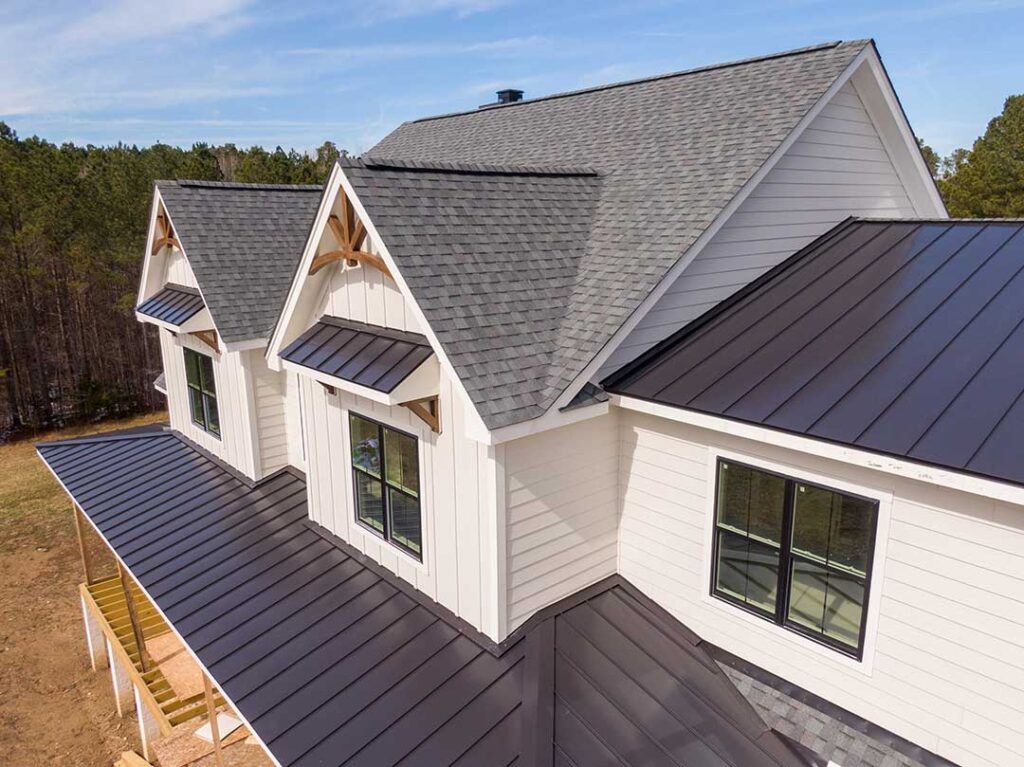
Roof decking is the structural layer beneath shingles or other roof coverings. It is commonly made from plywood or oriented strand board and rests across the roof framing. Although it is hidden from view, its condition affects the roof’s strength, moisture resistance, insulation performance, and ability to hold roofing materials securely.
In Holley, NY, roof decking is exposed to repeated freeze-thaw cycles, wind-driven rain, snow, ice dams, and seasonal humidity. These conditions can gradually weaken wood, especially when a small leak continues unnoticed.
What does roof decking do?
Roof decking creates the broad, continuous surface attached to the rafters or trusses. Roofing underlayment and shingles are installed above it, while attic insulation and ventilation systems are located below it.
Sound decking should be:
- Firm underfoot
- Properly fastened to the roof framing
- Free of widespread rot, delamination, or mold-related deterioration
- Able to hold roofing nails securely
- Relatively flat, without sagging or major warping
Roof decking does not have to look new to remain serviceable. Minor staining from an old, repaired leak may not mean the entire panel needs replacement. The more important questions are whether the wood remains strong and whether moisture is still reaching it.
What are the clearest signs of damaged decking?
The most reliable signs often appear in the attic or during roof work. Some clues are visible from inside the house, while others become apparent only when shingles are removed.
Soft or spongy areas
Wood that compresses easily under light pressure may have lost structural strength. A small screwdriver or similar tool can sometimes reveal whether the surface is solid, but anyone entering an attic should step only on the framing members, not between them.
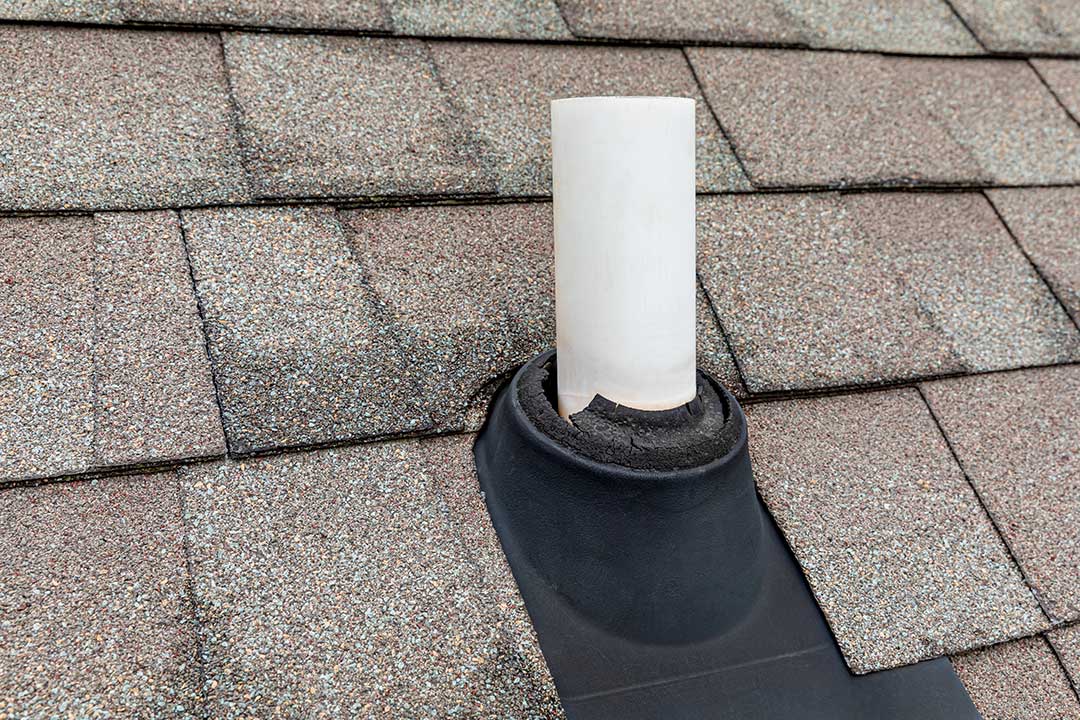
Soft decking is commonly associated with long-term moisture exposure. It may be concentrated around roof penetrations, valleys, chimneys, skylights, plumbing vents, or edges where flashing has failed.
Dark stains or water marks
Brown, gray, or black discoloration on the underside of roof decking can indicate past or ongoing leakage. A stain alone does not prove that replacement is necessary, because the leak may have occurred years earlier and the wood may have dried without losing strength.
Look for additional evidence:
- Dampness after rain or snow
- Freshly discolored wood
- Rusted nails
- Water trails running down rafters
- Mold-like growth
- Soft edges around the stain
A dry stain with no softness may require monitoring and leak-source correction rather than automatic removal.
Sagging between rafters
Visible dips or waves in the roof surface can indicate weakened decking, overloaded materials, installation problems, or framing movement. From the attic, sagging may appear as panels that bow between rafters.
Snow can make an existing weakness more noticeable, particularly after a wet, heavy snowfall. Sagging should not be ignored if it is new, worsening, or accompanied by cracking sounds, interior ceiling movement, or water entry.
Delamination or swollen panel edges
Plywood and oriented strand board can swell when repeatedly exposed to moisture. The panel edges may become raised, crumbly, or uneven. In plywood, individual layers can separate; in oriented strand board, the strands may lose their compact structure.
Swollen decking may no longer provide a flat surface for new roofing materials. Even after it dries, the panel can remain distorted and may not hold fasteners as reliably as undamaged wood.
Loose roofing nails or recurring shingle problems
Roofing nails depend on solid decking for proper holding power. If the decking has deteriorated, nails may back out, sit loosely, or fail to secure shingles properly.
Recurring problems in one area can be a clue that the underlying surface is compromised:
- Shingles that lift or slide
- Repeatedly missing shingles
- Buckling or wrinkling
- Roof cement repairs that do not last
- Granule loss concentrated near a damaged section
These symptoms can also result from poor installation, wind, or aging shingles, so they should be considered alongside attic and moisture evidence.
Can roof decking be damaged without visible ceiling stains?
Yes. A ceiling stain may never appear even when decking is deteriorating. Attic insulation can absorb or redirect water, and small leaks may dry between storms. Water can also travel along rafters before reaching the ceiling below.
This is one reason attic inspections are useful after:
- A major windstorm
- An ice dam
- Heavy snowfall
- A roof leak
- Replacement of old roofing materials
- A period of unexplained musty odor
A lack of indoor staining does not confirm that the decking is dry or structurally sound.
How do Holley winters affect roof decking?
Cold-weather conditions can create several pathways for moisture damage. Snow and ice can remain on the roof, while indoor heat warms the underside of the roof surface. If attic ventilation and insulation are inadequate, uneven temperatures may contribute to condensation or ice-dam formation.
Repeated freezing and thawing can also enlarge small openings around flashing, fasteners, and roofing penetrations. Water that enters these areas may soak the decking gradually rather than causing one obvious leak.
Older homes, additions, enclosed attic spaces, and roofs with complex valleys or multiple penetrations may have more areas where moisture can collect. This does not mean every older roof has damaged decking, but age and repeated exposure make regular observation more useful.
Does every roof replacement require new decking?
No. Roof decking is not automatically replaced whenever shingles are replaced. If the panels are dry, flat, firmly attached, and structurally sound, they may remain in place.
Replacement is more likely when decking is:
- Soft, rotten, or crumbling
- Severely swollen or delaminated
- Sagging or unable to support fasteners
- Damaged over a broad area by a long-term leak
- Cut excessively around roof penetrations
- Missing or incorrectly supported at panel joints
Small isolated sections may sometimes be repaired without replacing the entire roof deck. The appropriate scope depends on the extent of deterioration and how the panels connect to the roof framing.
What should homeowners do after discovering a problem?
Safety comes first. Do not walk on a roof that appears soft, sagging, visibly damaged, or covered with ice or snow. Avoid attic entry if the ceiling below is bulging, water is near electrical equipment, or the roof structure appears unstable.
If a leak is active, place a container beneath the drip and move valuables away from the area when possible. Do not puncture a bulging ceiling; trapped water can release suddenly.
Photographs of attic stains, swollen wood, loose shingles, or ceiling damage can help document changes over time. After the area is safe to access, the key questions are whether moisture is still entering, whether the decking remains structurally sound, and whether the roof framing is affected.
Structural damage, extensive rot, a visibly sagging roof, or unsafe access requires assessment by a qualified roofing or structural professional. These conditions can involve more than a surface repair and may create fall or collapse hazards.
How can roof decking problems be found earlier?
Early detection depends on observing the roof system from safe locations and paying attention after severe weather. Useful habits include:
- Looking in the attic twice a year for fresh stains or damp insulation
- Checking ceilings after heavy rain and snowmelt
- Watching for recurring shingle movement in the same area
- Keeping attic insulation and ventilation pathways clear
- Inspecting visible flashing for gaps, corrosion, or separation
- Recording new stains with dates so changes are easier to identify
Roof decking damage is usually a moisture-management problem before it becomes a structural problem. Finding the source of water and determining whether the wood has lost strength are more useful than judging the condition from one stain or one loose shingle.
