

What Causes Moss and Algae to Grow on Roofs?
Moss and algae thrive in damp, shaded conditions, which are common on roofs that don’t get much sun or have overhanging trees. In Holley, NY, long winters and humid summers make local roofs especially vulnerable. Moss tends to appear as fuzzy green patches, while algae often show up as dark streaks or stains.
Shaded north-facing slopes or areas beneath tree cover are often the first to be affected. Asphalt shingles are also especially prone, but wood, tile, and slate roofs can develop growths as well.
Are Moss and Algae Harmful to Roofs?
Yes, both moss and algae can shorten the lifespan of roofing materials. Moss traps moisture against shingles, encouraging deterioration, rot, and even ice damming in winter. Algae doesn’t cause decay directly but creates stains that hold moisture and may gradually weaken shingles.
In Holley, persistent wet conditions can allow moss to lift shingles, exposing the underlayment to rain and snow. This may eventually lead to leaks or structural problems if not managed in time.
How Can Residents Safely Remove Moss and Algae from Roofs?
Manual removal is possible for light growth, but care must be taken not to damage shingles. For most area households, the following approaches are appropriate:
- Use a soft-bristle brush on a pole to gently loosen moss from shingles. Always start at the top and work downward. Avoid power-washing, as it can strip away protective granules.
- Rinse with a hose using gentle water pressure. Never use high-pressure sprays on asphalt roofs.
- For stubborn growth, a solution of half water and half white vinegar or a dedicated roof cleaner can be applied with a pump sprayer. Allow the solution to sit for 15-20 minutes before lightly scrubbing. Rinse thoroughly afterward.
Wearing shoes with good traction and using fall protection are critical for safety. Avoid working on the roof in wet, icy, or windy conditions.
Are Chemical Treatments Effective or Safe for the Local Environment?
Some roof cleaning products are effective, but not all are safe around lawns, gardens, or the local watershed. Holley residents should select cleaners labeled as biodegradable and safe for use near plants.
Bleach-based solutions can kill moss and algae, but runoff can harm vegetation and contaminate groundwater. Always follow manufacturer instructions, divert runoff if possible, and rinse nearby plants with fresh water after cleaning.
How Can Future Moss and Algae Growth Be Prevented?
Addressing environmental conditions can make a big difference:
- Trim back tree branches to let more sunlight reach the roof and reduce shade.
- Keep gutters clean and clear to prevent water from pooling near roof edges.
- Install zinc or copper strips along the roof ridge. Rainwater activates these metals, creating an environment where moss and algae struggle to take hold.
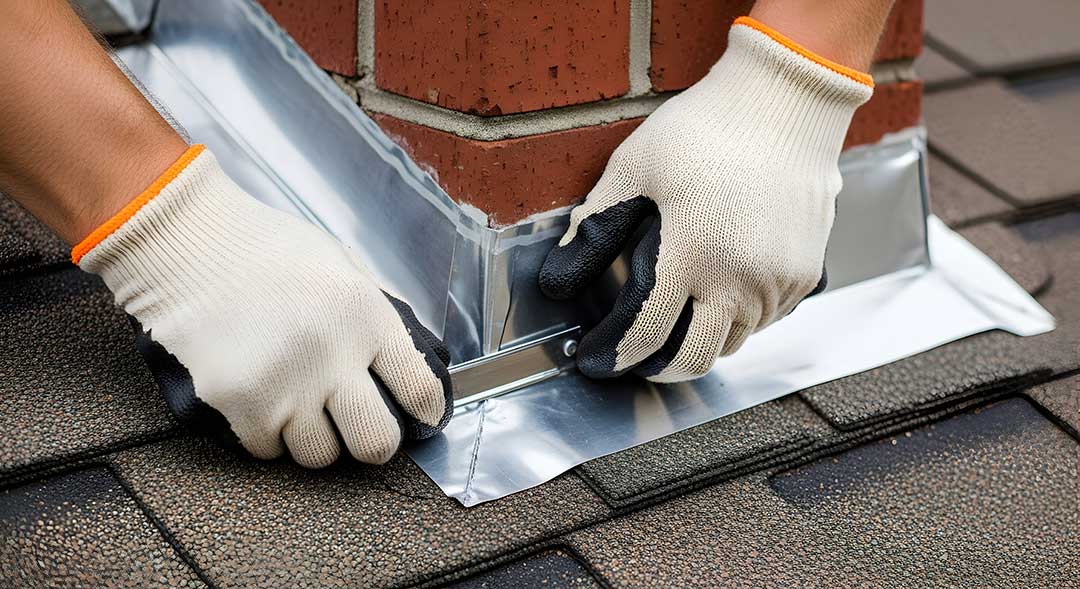
Regular inspection in spring and fall helps catch early growth, especially after a damp season. Prevention is easier and less risky than repeated cleanings.
What Are Common Myths or Mistakes Residents Should Avoid?
Several misconceptions make moss and algae issues worse:
- Power-washing appears effective but often causes premature shingle failure.
- Household detergents can create slippery surfaces and fail to control regrowth.
- Ignoring growth because “it’s just cosmetic” is risky; even light moss can lift shingles over time.
Using harsh chemicals or abrasive tools can damage roofing materials. If the roof is steep, fragile, or if large patches are present, it’s safer to remain on the ground and use a long-handled tool.
When Should Residents Consider Expert Help?
For most light-to-moderate problems, careful DIY cleaning is sufficient. However, if moss or algae covers a large portion of the roof, or if there is visible shingle damage, it’s wise to seek professional guidance. Climbing on roofs always involves fall risk, especially on older homes or steep pitches common in Holley.
If roof leaks, sagging, or signs of rot appear, these may indicate more serious concerns that go beyond surface cleaning.
How Does Holley’s Climate Impact Ongoing Maintenance?
Local weather patterns—humid summers, snow accumulation, and frequent overcast days—mean that area roofs may need extra attention. Wet leaves and organic debris can accelerate moss issues, so seasonal clean-up is especially helpful. Even roofs that look clean in drier months can develop growth quickly during stretches of cool, wet weather.
Community members benefit from staying alert to new growth, especially after long rainy periods or mild winters.
