
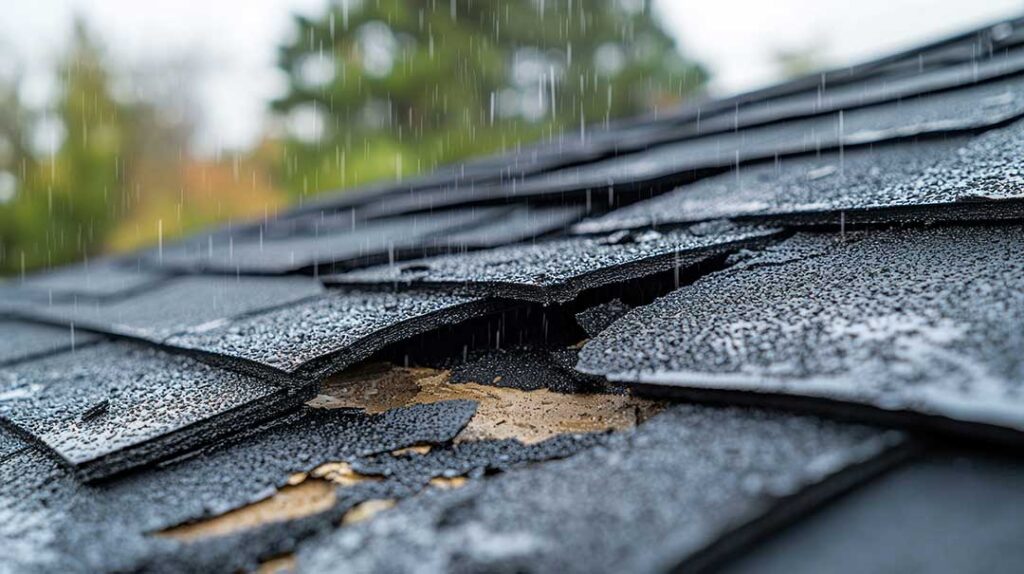
Why Knowing Roofing Terms Matters in Holley, NY
Every homeowner in Holley, NY will eventually need to make decisions about roof maintenance, repair, or replacement. Understanding common roofing terms helps residents communicate clearly with contractors, recognize potential issues, and make informed choices about their homes. Local weather patterns—including heavy winter snow, freeze-thaw cycles, and the occasional windstorm—make a basic roofing vocabulary especially useful for area households.
—
What Is the Roof Deck and Why Does It Matter?
The roof deck is the foundation layer to which all other roofing materials are attached. For most homes in Holley, sheets of plywood or oriented strand board (OSB) make up the deck, supported by rafters or trusses.
- If the deck weakens from leaks or rot, it can jeopardize the entire roof structure.
- Spotting early signs of soft spots or sagging—especially after a severe winter—helps homeowners avoid major repairs.
—
What Are Shingles and How Do They Work?
Shingles are the outermost, visible covering of most residential roofs. In Holley, asphalt shingles are especially popular due to their durability and relative affordability.
- Each shingle overlaps the one below, helping direct water off the roof.
- Shingle granules help resist sunlight and weather damage.
- Periodically, residents notice granules collecting in gutters after big storms—a potential sign that shingles are aging.
—
What Is Flashing and Why Is It Important?
Flashing refers to thin pieces of metal (often aluminum or galvanized steel) installed at roof joints and penetrations, such as around chimneys, skylights, and vent pipes. Its purpose is to direct water away from openings where leaks are most likely.
- Missing or damaged flashing is a common cause of leaks during rainy and snowy seasons in the city.
- Flashing must be correctly installed and remain intact to prevent hidden water damage.
—
What Are Underlayment and Ice & Water Shield?
Underlayment is a protective barrier installed directly on the roof deck and under the shingles. It adds an extra layer of defense against moisture.
- Traditional underlayment is usually felt paper (sometimes called tar paper), but synthetic materials are increasingly common.
- Ice & water shield is a waterproof membrane applied to vulnerable areas like eaves, valleys, and roof edges. In Holley, where ice dams can form during winter’s freeze-thaw cycles, this layer offers crucial protection against leaks caused by melting snow backing up under shingles.
—
What Are Eaves, Ridges, and Valleys?
These terms refer to specific parts of a roof’s layout:
- Eaves: The lower edge of the roof that overhangs the walls, often fitted with gutters to carry rain and snowmelt away from the house.
- Ridge: The highest horizontal line where two roof slopes meet at the top.
- Valleys: The inside angles where two downward sloping sections meet, channeling large volumes of water during rain or melt-off.
Each of these areas requires special attention when inspecting for damage or ensuring proper water flow.
—
How Do Gutters and Downspouts Relate to Roofing?
While technically not part of the “roof” itself, gutters and downspouts are essential for protecting both the roof and the home’s foundation.
- Clogged or broken gutters can cause water to back up and seep under shingles, especially during spring and fall in Holley.
- Regular clearing of debris, especially after windstorms or autumn leaf drop, goes a long way in preventing roof edge problems.
—
What Are Roof Vents and Why Is Ventilation Important?
Roof vents allow attics to “breathe,” balancing temperature and humidity under the roof.
- Proper ventilation prevents moisture build-up, which cuts down on mold, wood rot, and premature shingle failure.
- In Holley, this is especially relevant during humid summers and icy winters, when poor airflow can worsen ice damming and attic condensation.
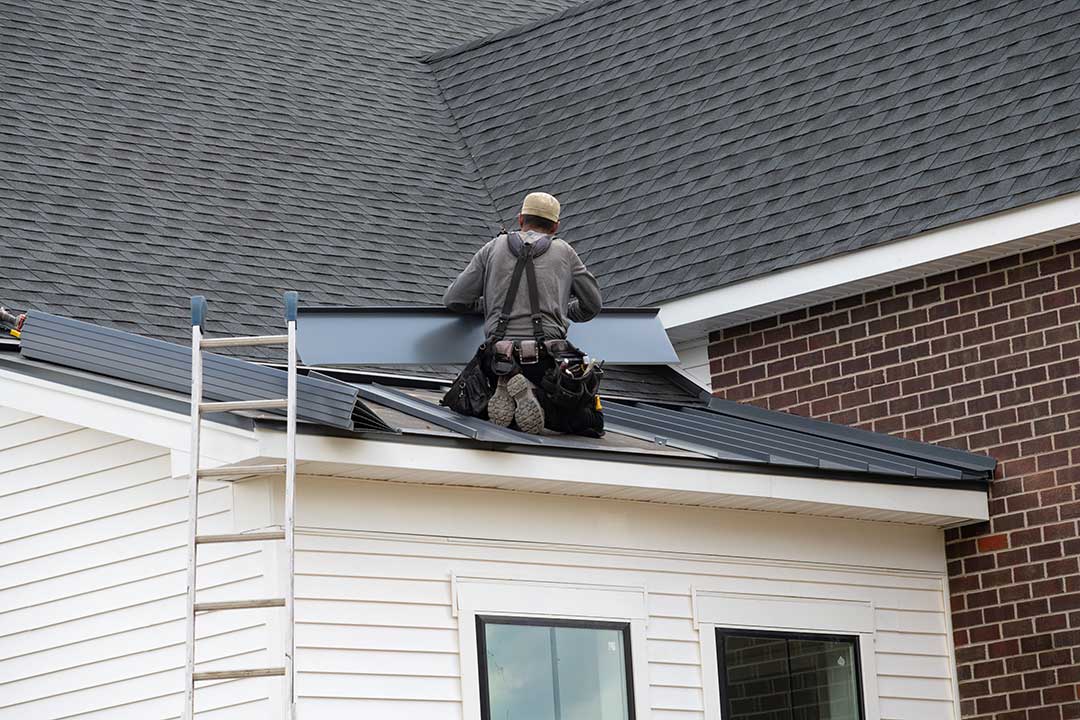
Types of vents include:
- Ridge vents (run along the roof peak)
- Soffit vents (under eaves)
- Gable vents (on gable ends)
—
What Are Drip Edges?
Drip edge is a type of metal flashing installed along the roof’s edges. Its role is to guide water away from fascia boards and prevent water from seeping under the roofing material.
- Drip edge is required by building code for most new roof installations in Holley and helps extend the lifespan of the roof and underlying wood.
—
What Are Common Roofing Misconceptions?
Even with basic terms clear, a few myths often circulate:
- “Missing a few shingles isn’t a big deal.” In the local climate, even small gaps can lead to major water damage during wet weather.
- “All stains on ceilings mean a roof leak.” Plumbing or condensation issues can cause stains; however, persistent or growing stains after recent storms often signal a roofing problem.
- “Older roofs always need full replacement.” Local inspections sometimes find that minor repairs or added ventilation can extend roof life.
—
How Does Local Weather Impact Roofing Terms Residents Should Know?
Holley homes frequently contend with snow accumulation, ice dams near eaves, heavy spring rains, and gusty winds. Residents should be especially familiar with:
- Ice damming and the importance of a good ice & water shield
- Checking flashing and valleys every spring for wind or ice damage
- Ensuring attic venting works to minimize humidity and ice buildup
—
When Does Roofing Work Require Professional Attention?
While basic inspections can be performed by homeowners, local building codes and the risks involved with working at height mean that major repairs, structural changes, or complete replacements should involve qualified workers. If hidden leaks, sagging decking, or signs of major moisture buildup are present, external expertise is the safest choice.
