
How Does Humidity Affect Roofing Materials?
Humidity — the amount of moisture in the air — can cause both immediate and long-term changes to roofing materials. In Holley, NY’s climate, where humid summers and frequent precipitation are typical, understanding this relationship helps area households anticipate routine maintenance and prevent damage.
Roofing materials absorb moisture at different rates. Prolonged exposure leads to swelling, warping, softening, or even deterioration, depending on the type. Humidity also supports mold, algae, and moss growth, making it a factor in both shingle integrity and aesthetic concerns.
Why Is Humidity a Concern for Common Roofing Types in Holley?
Different roofing materials react to moisture in unique ways. Residents often ask which materials are most affected by the area’s frequent humidity swings.
- Asphalt Shingles: The top choice for many homes in the city, asphalt shingles can lose granules as humidity softens their adhesive layers. Moisture seeping beneath loosened shingles can lead to leaks or mold growth.
- Wood Shakes and Shingles: Wood is especially vulnerable. Repeated wetting and drying from humid conditions can cause the wood to expand, contract, and eventually split or rot. This is a key reason regular inspections matter.
- Metal Roofing: Metal resists direct moisture absorption, but frequent condensation on its surface can cause paint breakdown and, over time, encourage rust if protective coatings wear thin.
- Slate and Clay Tiles: While generally more durable, these materials rely on their underlying support structure. Prolonged humidity can weaken decking or fasteners below, leading to tile shifts or cracks.
Can Humid Weather Cause Roof Leaks?
Humidity alone does not create holes in the roof, but it can act as a silent accelerator. When moisture-laden air is trapped in attics or under poorly ventilated roofs, condensation forms, especially when hot, humid air meets a cooler ceiling surface. This water can drip, collecting above ceilings or inside insulation, which is often mistaken for a traditional roof leak.
Practical example: After a few muggy days, a homeowner in the city may notice “leaks” with no obvious shingle damage. In many cases, attic condensation is the real culprit.
What Problems Can Mold, Algae, and Moss Cause On Roofs?
These organisms thrive due to high humidity and frequent rainfall. Dark, streaky stains (often algae or mold) commonly appear on north-facing roof slopes where shade and moisture persist. Moss, which is spongy and green, collects on areas that remain damp for hours after a rain.
Why care? These growths are more than cosmetic:
- Moss can lift shingles, letting water slip underneath.
- Mold and algae break down roofing materials over time.
- Growth can block gutters and downspouts, compounding drainage issues and increasing ice dam risks in cooler months.
How Does Humidity Influence Roof Ventilation Needs?
Proper ventilation is essential for balancing humidity inside attic spaces. When ventilation is limited, warm, humid air lingers under the roof, causing excess condensation. This can:
- Cause wooden structures to swell, warp, or rot sooner than expected.
- Shorten the life of insulation.
- Worsen ice damming issues by keeping roof decks warmer in winter.
In Holley, many homes built before the 1980s may lack adequate attic vents. A simple check for poor airflow: musty smells, visible mold near roof framing, or damp insulation.
Are There Maintenance Practices That Help Combat Humidity Effects?
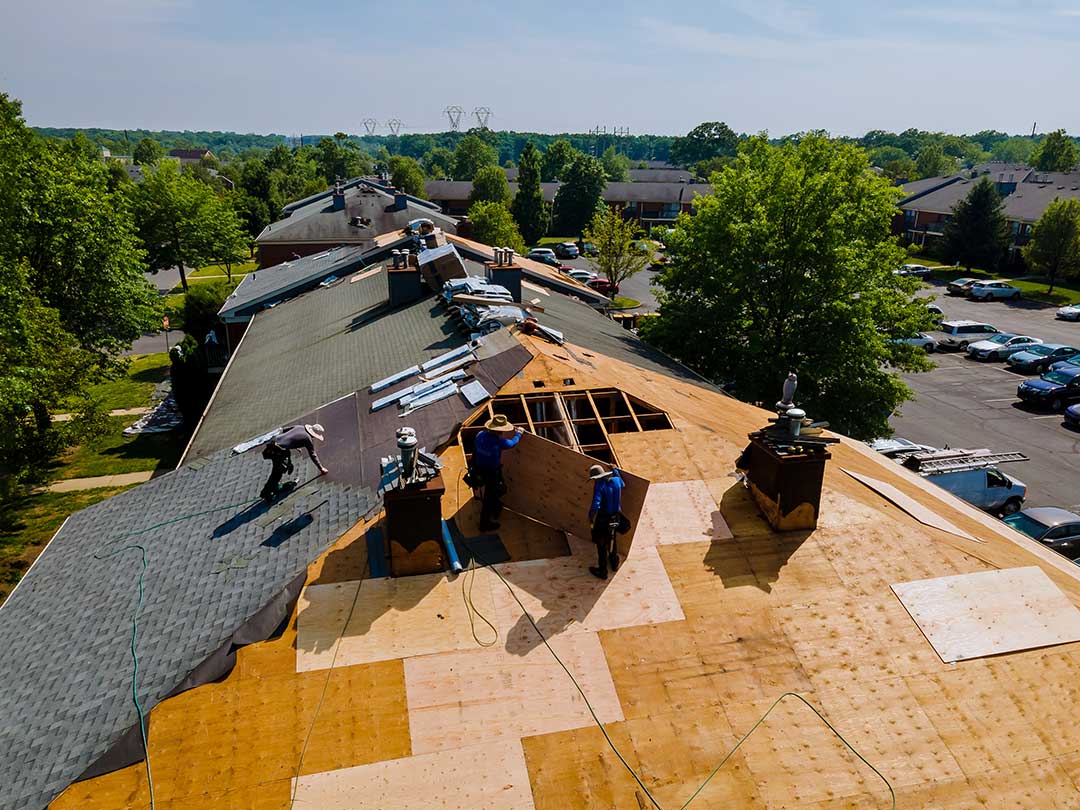
Routine checks and thoughtful management make a significant difference. Households in the community can help preserve roof life by:
- Trimming overhanging tree branches to allow more sun and airflow on the roof.
- Cleaning gutters and downspouts regularly to prevent trapped moisture.
- Checking in attic spaces seasonally for signs of moisture, rot, or poor ventilation.
- Removing moss, algae, and debris with gentle methods that don’t damage shingles or tiles.
- Monitoring for missing or shifted shingles after storms, as they increase the risk of water infiltration.
What Are Common Misconceptions About Humidity and Roofs?
Many believe that only rain causes roof-related water problems, or that metal roofs are immune to all effects of humidity. In reality, sustained high humidity can worsen problems for any roof if ignored. It’s also common to underestimate the pace at which trapped attic humidity can undermine insulation, rafters, or drywall.
How Does Local Climate Intensify Humidity-Related Roof Risks?
Holley’s location means humid stretches in summer, followed by significant snow and freeze-thaw cycles in winter. This pattern can aggravate the impact of moisture on roofing materials:
- Summer humidity accelerates mold and moss growth, especially on shaded roofs.
- Winter’s rapid temperature changes create an environment where humid attic air condenses quickly, leading to hidden moisture damage.
- Areas with mature trees and dense foliage tend to see more persistent dampness and organic buildup on roof surfaces.
What Should Area Residents Prioritize for Long-Term Roof Health?
Awareness is the best defense. While materials, costs, and designs vary, every homeowner in the city benefits from knowing how humidity interacts with their specific roofing system. By watching for the signs of moisture stress and maintaining clear airflow around the roof, local residents can extend roof longevity, protect home interiors, and reduce future repairs.
