
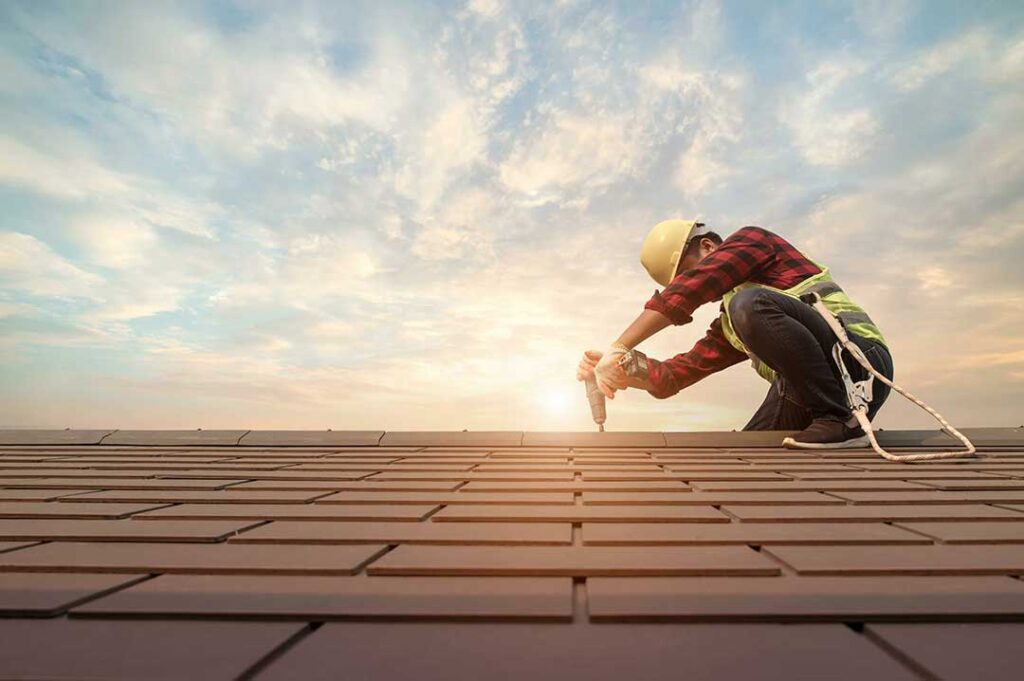
Roof decking is the layer of wood or structural panels installed over a home’s roof framing and beneath the underlayment and shingles. It creates the continuous surface that supports the roofing system, helps distribute weight, and protects the attic from weather when the outer roof covering is damaged or removed.
For homeowners in Holley, NY, understanding roof decking is especially useful because repeated snow, ice, rain, freeze-thaw cycles, and seasonal humidity can affect the condition of this hidden part of the roof.
What exactly is roof decking?
Roof decking, sometimes called roof sheathing, is attached to the rafters or roof trusses. The roofing layers above it are commonly arranged as follows:
- Roof framing, such as rafters or trusses
- Roof decking or sheathing
- Underlayment, such as a water-resistant membrane
- Flashing around roof openings and transitions
- Shingles or another exterior roof covering
The decking is not the same as the shingles. Shingles provide the visible weather-resistant surface, while the decking provides the underlying structural platform. If decking becomes weak, wet, or badly deteriorated, the roof covering may no longer have a stable base.
Many homes built several decades ago used dimensional boards installed with small gaps between them. Newer construction commonly uses plywood or oriented strand board, often called OSB. Both can perform well when correctly selected, installed, ventilated, and protected from prolonged moisture.
Why does roof decking matter?
Roof decking supports more than the weight of roofing materials. It also helps transfer loads from snow, maintenance activity, wind pressure, and ice accumulation to the roof framing.
A sound deck helps keep the roof surface relatively even. A damaged deck may contribute to:
- Soft or springy areas underfoot
- Sagging between rafters
- Uneven shingle lines
- Nail withdrawal or loose roofing materials
- Water entering the attic
- Reduced resistance to wind and snow loads
Roof decking also plays a role during roof replacement. New shingles are fastened through the underlayment into the decking. If the decking is too thin, split, wet, or deteriorated, fasteners may not hold as intended.
What materials are used for decking?
The most common roof-decking materials are plywood, OSB, and solid wood boards.
Plywood is made from layers of wood veneer bonded together. Its cross-layer construction gives it good dimensional stability and resistance to splitting when properly installed.
OSB is made from compressed wood strands bonded into panels. It is widely used in modern construction and can provide a consistent surface when it remains dry and properly supported.
Board decking consists of individual boards, often found in older homes. Some older roofs have boards that remain serviceable for many years, while others may have splitting, rot, excessive gaps, or movement caused by moisture and age.
The correct material depends on the roof design, framing spacing, panel thickness, local building requirements, and the condition of the existing structure. A replacement panel should not simply be chosen based on appearance or price.
How does roof decking become damaged?
Moisture is the most common cause of decking deterioration. Water may enter through worn roofing materials, failed flashing, damaged vent seals, improperly installed penetrations, or ice-related backup at roof edges.
In a snowy, freeze-thaw climate, a small roof leak may not appear inside the home immediately. Water can travel along the underside of the decking or roof framing before reaching insulation, ceilings, or walls. This means a ceiling stain may be located some distance from the original entry point.
Other causes of damage include:
- Long-term condensation in a poorly ventilated attic
- Repeated wetting and drying
- Snow loads combined with weakened materials
- Fallen branches or other impact
- Construction damage
- Improperly spaced panels
- Fastener problems that allow movement
- Mold or fungal decay associated with persistent dampness
Dark discoloration does not always mean the decking has lost its structural strength, but soft wood, crumbling edges, delamination, and visible rot require closer evaluation.
What signs may indicate a decking problem?
The most reliable way to assess roof decking is from both the roof surface and the attic, when safe access is available. Warning signs can include:
- A roof surface that dips or appears wavy
- Shingles that do not lie flat
- Nails or fasteners pushing upward
- Water stains on attic framing or insulation
- Musty odors or persistent attic dampness
- Soft spots noticed during authorized roof work
- Plywood layers separating or swelling
- Boards that are split, rotten, or badly spaced
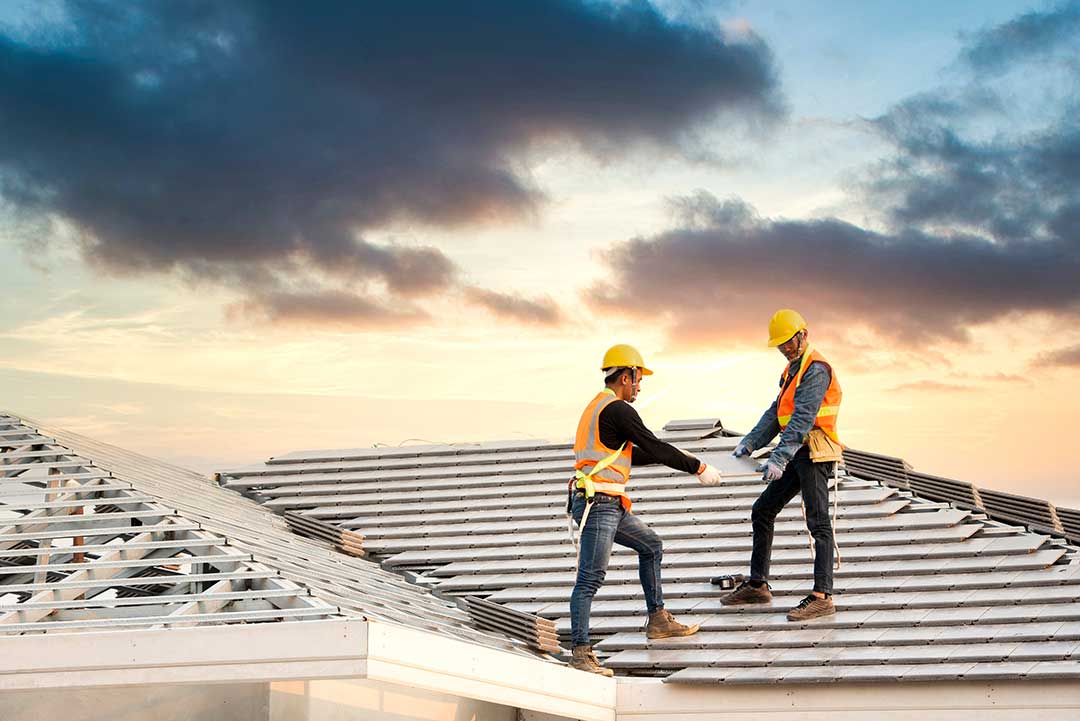
A single ceiling stain does not prove that the entire roof deck needs replacement. Conversely, a roof can look acceptable from the ground while concealed decking has deteriorated. The extent of damage is determined by examining the affected area and identifying the source of moisture.
Does a roof replacement always require new decking?
No. Roof decking does not automatically need to be replaced during every reroofing project. If the existing material is dry, structurally sound, properly supported, and suitable for the planned roofing system, it may remain in place.
Replacement becomes more likely when the deck is:
- Rotten or soft
- Water-damaged
- Delaminated or swollen
- Structurally cracked
- Unsupported at panel edges
- Covered with excessive old roofing layers or debris
- Unable to hold roofing fasteners securely
Decking repairs should address the cause of the damage as well as the damaged material. Replacing a wet section without correcting a leaking valley, flashing detail, vent, or roof edge can allow the problem to return.
How is damaged decking repaired?
The repair method depends on the type and extent of damage. A small affected section may be removed and replaced with new material attached to properly supported framing. Larger areas may require several panels or boards to be removed.
During the work, the roof framing should be checked for movement, rot, cracking, or other structural concerns. Replacement decking must be appropriately supported and fastened. Panel edges generally need to meet over framing or approved blocking rather than hanging unsupported between structural members.
The repair should also account for roof penetrations, valleys, eaves, and other areas where water is more likely to enter. A patch that is structurally adequate but poorly integrated with the underlayment or flashing may still permit leaks.
Can homeowners inspect roof decking safely?
An attic inspection from a stable floor area or designated walkway can reveal stains, damp insulation, daylight, mold-like growth, or obvious panel deterioration. Attic spaces can contain exposed nails, low-clearance framing, electrical hazards, and limited ventilation, so walking on the decking itself can be unsafe.
Climbing onto a roof is particularly hazardous when surfaces are wet, icy, steep, or covered with loose granules. Ground-level observations and photographs from accessible areas may help document a concern, but they cannot confirm the condition of concealed materials.
Structural repairs and roof work also need to follow applicable building requirements. Local rules may address materials, fastening, ventilation, structural support, and weather protection. Requirements can vary according to the scope of work and the existing building.
How can roof decking last longer?
The best protection is controlling moisture before it reaches the wood panels or boards. Useful maintenance practices include:
- Keep roof drainage paths clear of leaves and debris.
- Watch for damaged flashing, missing shingles, and exposed fasteners.
- Maintain attic ventilation and avoid blocking intake or exhaust paths.
- Check for bathroom or kitchen exhaust ending in the attic rather than outdoors.
- Address recurring ice buildup as a building-maintenance issue rather than only removing visible ice.
- Inspect after severe wind, heavy snow, or falling branches.
- Avoid storing items where they block attic airflow or make inspection difficult.
Roof decking is largely hidden, but it is one of the most consequential layers in the roofing system. Knowing its purpose helps homeowners distinguish between a cosmetic shingle issue and a condition that may affect the roof’s structure, moisture resistance, and ability to withstand Holley’s seasonal weather.
